Skip Hire in Victoria
Skip hire in Victoria is a straightforward way to manage bulky waste, mixed renovation debris and everyday clear-outs when you need a single collection point on site. We provide a practical skip hire service for households, landlords, trades and commercial teams that need waste removed in an organised way. The focus is on supplying the right skip, arranging delivery and collection, and helping customers choose a sensible size for the material they have to dispose of.
Our service can suit garden projects, kitchen rip-outs, garage clearances, office moves and building work where waste is generated steadily over a few days. For clearer planning, it helps to compare the task with the skip sizes and prices information before choosing a container, especially when the load may contain mixed materials, heavier rubble or awkward bulky items. That way, the booking is based on the actual waste rather than guesswork.
Ready to arrange skip hire in Victoria? Use the sections below to see the main service options and then send your enquiry. If you already know the type of waste, make a note of it and request a quotation when you are ready.
Domestic skip hire for home projects
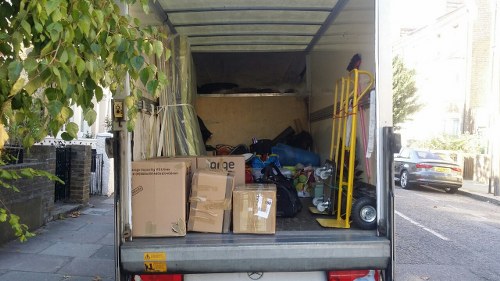
Domestic skip hire is often the simplest choice for household work where bags or car trips would take too long. Typical uses include bathroom refits, loft decluttering, old furniture disposal and general household clear-outs. A well-sized skip gives you one place to keep the waste together, which is useful when the project lasts more than a single day and the items are too varied for a small bin to manage safely or tidily.
For domestic work, it is sensible to think about what will go in before booking. Heavy materials, plasterboard, timber, plastics and mixed junk all behave differently in a container, so it is worth reading the what can go in a skip guidance first. If a household project includes mattresses, broken sofas or large white goods, those items may need a separate approach, and the mattress and sofa disposal page can help you understand that option more clearly.
When planning a domestic hire, it also helps to keep access in mind. A skip needs space for delivery and collection, and the waste should be stacked sensibly so it remains level and safe. Make a rough list of the main items before you enquire, and if you are comparing different job sizes, it may be useful to speak through the scope and then request a quotation rather than selecting a skip purely by sight.
Builders skip hire and site waste

Builders skip hire is designed for renovation, refurbishment and construction waste that builds up quickly on active sites. It is commonly used for brick, soil, plaster, packaging, timber offcuts and mixed debris from strip-out work. The service helps keep working areas clearer by giving contractors a dedicated container for the waste stream rather than leaving loose piles around entrances, driveways or loading points.
Where a project produces heavier or more persistent waste, the builders skip hire page is a useful starting point, while the related construction waste clearance service may suit jobs that need waste removed in a more managed way. For larger or more involved site work, the site clearance option can also be relevant when waste is being removed as part of a broader tidy-up rather than a single container placement.
Good site planning is often about sequence as much as volume. If the work produces sharp, dusty or heavy waste, place it in the skip in a way that leaves space for later loads and does not create unsafe overfilling. Clear access and sensible loading make the collection process easier for everyone, and they also help when you need to discuss the job with a supplier and ask for a quotation.
Commercial skip hire for businesses

Commercial skip hire supports offices, shops, hospitality premises, landlords and facilities teams that need routine waste removed during a change, refit or clean-out. It can be used for furniture, shelving, packaging, light fittings, paperwork that is not confidential and general non-hazardous waste from day-to-day operations. A dedicated skip can be more manageable than making repeated small waste runs, especially when the job is tied to a deadline or premises handover.
If your project includes office furniture or contents from a business move, the office clearance page gives a useful route into that type of work. For emptying larger business areas, the commercial skip hire service can be a better match when waste is generated on site and needs collecting in stages. Where waste is more mixed or the premises are being stripped back, the broader rubbish removal option may also be worth considering.
Commercial customers often need a plan that balances speed with access. If the site has restricted parking, loading bays or narrow routes, the type of service matters as much as the amount of waste. Tell us what sort of materials are involved and how they will be moved, then ask for a quotation so the arrangement can be matched to the premises rather than forced into the wrong format.
Skip hire choices for different waste types
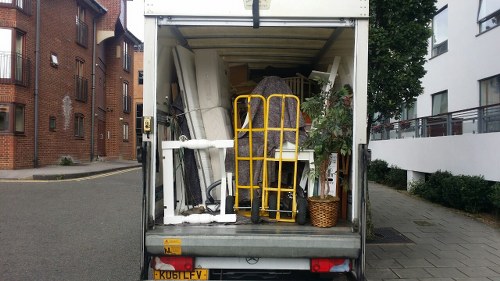
Different waste streams need different handling, and the right skip hire choice depends on what is being thrown away. Garden cuttings, household junk, builders’ rubble and mixed renovation waste all have different weight and loading characteristics. Choosing well matters because a skip that suits one project may be a poor fit for another, especially where the waste contains dense materials or mixed loads that need careful separation.
For outdoor work, the garden waste removal service can be useful when the job centres on soil, branches and green waste rather than general rubbish. Where the waste comes from a larger upheaval, house clearance or garage and loft clearance may be more appropriate than a standard skip, because they focus on removing accumulated belongings and clutter from inside the property.
Choose the service around the waste, not the other way round. That approach keeps the job practical and avoids paying for a container or collection style that does not suit the material. If you are unsure whether your load is mixed, bulky or specialist, speak it through and then request a quotation once the main categories are clear.
Domestic and trade collections in practice
Useful situations for a skip
A skip can be the right option when waste is generated over several hours or several days and needs to stay on site until the work is complete. That includes DIY projects, landlord voids, shop refits and small building jobs where waste is not all available at once. It is also helpful where the team wants to keep a working area organised, because a single container is easier to manage than a series of loose piles, sacks or ad hoc transport runs.
Some customers also compare skip hire with other collection styles before booking. The wait and load skip hire service is relevant where a skip cannot remain on site, while grab hire services can suit situations where large volumes of loose waste need lifting from ground level. For those who want a simple, smaller-scale collection, man and van waste removal can sometimes be the better fit.
It is worth thinking about which approach best matches the job’s practical limits. If the material is already bagged and the access is tight, a collection-style solution may be easier. If the work is ongoing and the waste keeps arriving, a skip often becomes the more convenient answer. Either way, a clear outline of the materials will help when you ask for a quotation.
How to prepare for a skip delivery
A little preparation before delivery can make the hire much smoother. Check the available space, think about whether the container will sit on private ground or need access arrangements, and make sure there is a clear route for placement and collection. If there are obstacles such as low branches, tight turns, parked vehicles or uneven ground, they should be considered at the outset so there are no surprises later.
For jobs involving road placement or shared access, permit issues may matter. The skip permits page is useful where a placement requires permission rather than simply leaving the skip on private land. In some cases, especially where time is tight or access is awkward, the same-day skip hire option may be relevant if it aligns with the booking schedule and the job needs faster handling.
It also helps to keep the load level and avoid mixing prohibited items with ordinary waste. Take a quick stock of the main contents, then use that information when making your enquiry. If you already know the likely duration and the rough waste volume, you can ask for a quotation with far more confidence and avoid changing the plan halfway through the project.
Specialist and restricted waste
Some waste requires more careful handling than standard household or construction rubbish. That can include electrical appliances, confidential material, chemically contaminated items and certain heavy or awkward loads. These categories should be checked before anything is placed in a skip, because the wrong contents can make disposal more complicated or unsuitable for a regular collection model.
Where specialist disposal is needed, the relevant pages can help narrow the choice. Fridge and appliance removal is useful for large domestic or commercial units, confidential shredding supports secure paper disposal, and hazardous waste disposal covers waste that should be treated separately from ordinary rubbish. If the job involves a heavier excavation or soil load, muck away services may also be more suitable than a typical skip.
Not every project needs a specialist service, but it is important not to assume. Check the material category first, then match the collection method to that category. That keeps the job compliant with the disposal route and helps the quotation reflect the real scope rather than an incomplete description of the waste.
About Victoria
Victoria is a district in the City of Westminster, in central London, and it has long been shaped by transport, government, retail and hospitality activity. Victoria Station, one of the capital’s major rail terminals, opened in the nineteenth century and helped establish the area as a busy interchange rather than a quiet residential quarter. The surrounding street pattern reflects repeated phases of redevelopment, with Victorian and later commercial buildings sitting alongside office blocks, hotels and civic structures. Nearby, Buckingham Palace gives the wider area a strong ceremonial identity, while the streets around Victoria Street, Buckingham Palace Road and Belgravia connect shopping, business and institutional uses in a compact central setting.
Service planning and quotation details
Pricing usually depends on the size of the container, the type of waste, the expected duration of the hire and the practical details of delivery and collection. Mixed loads, heavy rubble and specialist materials may alter the most suitable option, so it is better to describe the job accurately than to focus only on the volume of waste. Clear information at the start can make the quotation more relevant and reduce unnecessary back-and-forth later.
When requesting a quotation, it helps to mention the setting, the main waste type and any access limits that could affect placement. If the job is part of a refurbishment or clearance, explain whether the waste will arrive in stages or all at once. Where useful, the skip hire page offers a broad starting point, while builders waste removal may suit more trade-focused jobs and domestic skip hire suits household waste planning.
Send the basics first, then refine the details. A short description of the waste, the address type and the timing is usually enough to begin. After that, you can ask for a quotation and decide whether the arrangement needs a standard skip, a collection-based service or something more specialised.
Related skip hire services
Demolition waste removal can suit heavier strip-out work, while enclosed and lockable skip hire may be useful where contents need to be kept covered or more secure. For projects that produce substantial loose material from excavation or ground works, grab lorry hire can offer a practical alternative, particularly when loading speed matters more than keeping a container on site.
Construction waste disposal gives a broader view of trade materials, and waste recycling services may be helpful where the focus is on sorting and diverting recoverable items. For those comparing budget and setup, pricing and quotes is the place to look once the waste type and service style are known. Each option serves a different need, so the best choice depends on the material and the access conditions.
If you are ready to move ahead, keep the description simple and factual. Tell us what you need removed, how much there is and when it needs doing. Then use the available service information to choose the right route and request a quotation with confidence.